

Why This Cave Remains
Largely Unknown
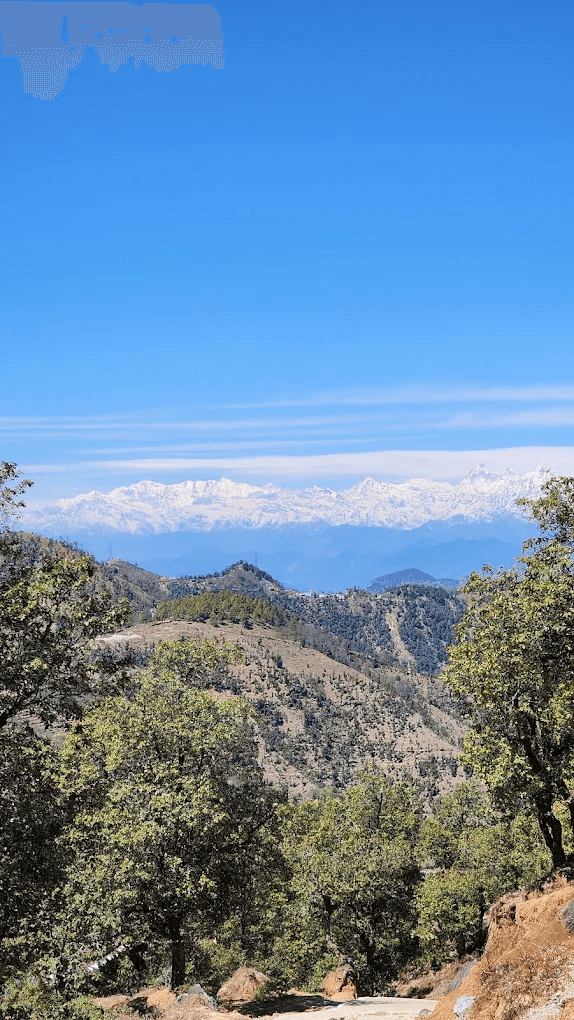
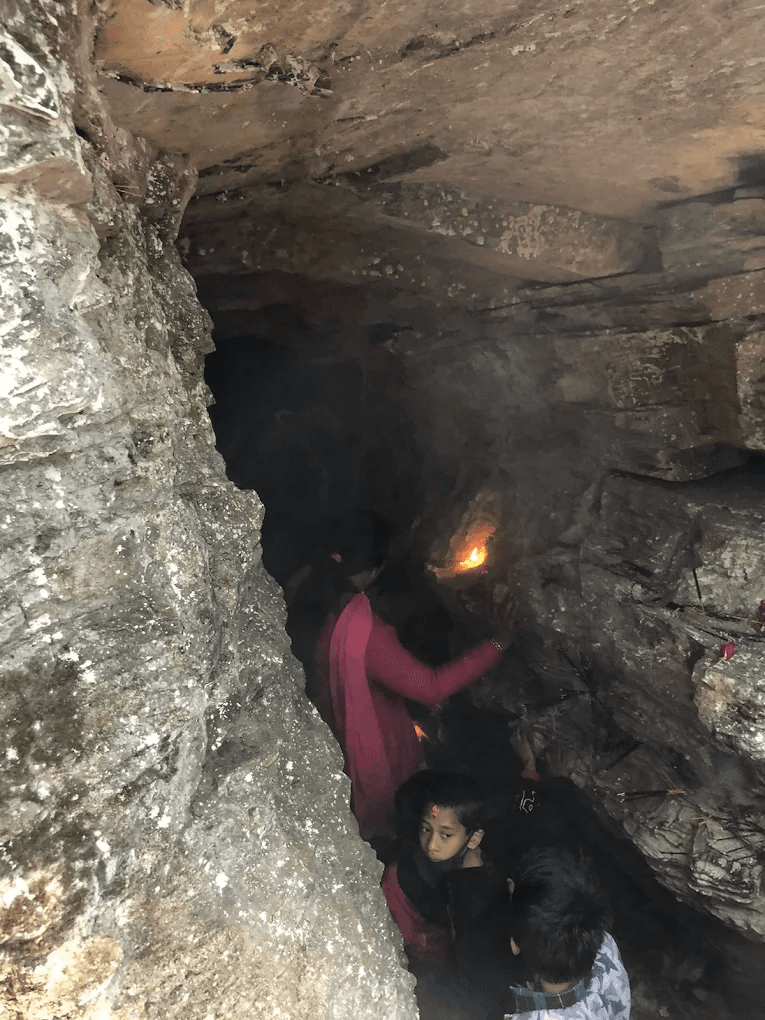
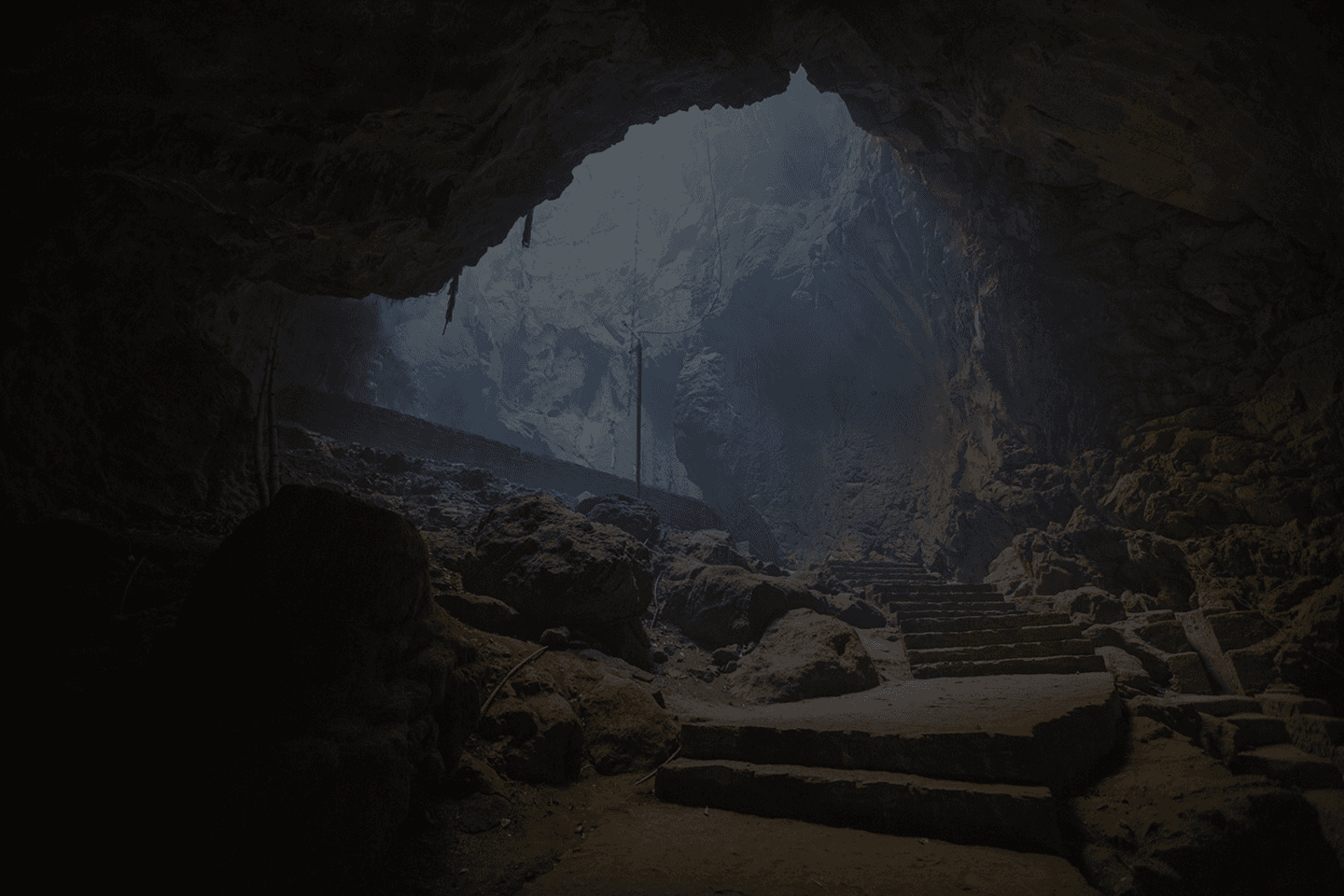
Patal Bhuvaneshwar Cave remains one of the least documented cave systems in Nepal due to its remote location and physical difficulty.

Located far from major travel routes

Limited infrastructure and accessibility

Exploration restricted by safety challenges

No tourism development

This has preserved the cave in its natural condition but left much of it unexplored.
Local & Cultural Context
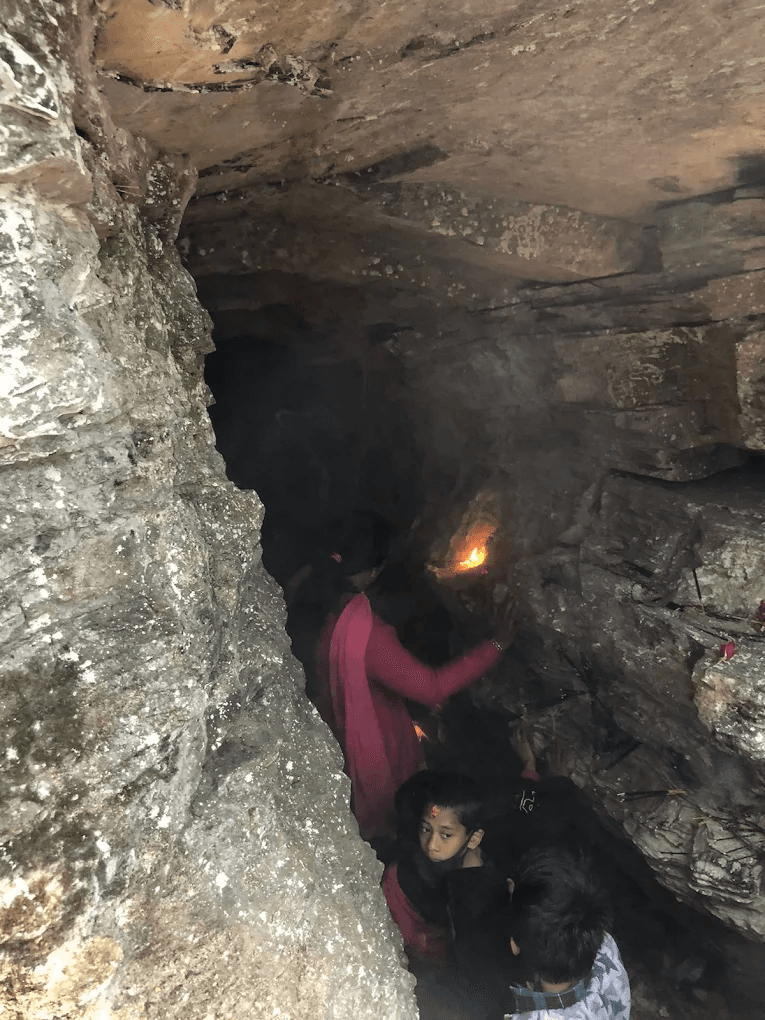
The cave has been known to local communities for generations and is associated with regional beliefs and interpretations.
Although not developed as a formal pilgrimage site, it holds local importance. Visitors are expected to respect both the natural environment and cultural sensitivity of the area.
Media & Visual Exploration
Cave Exploration Footage
Known Data & Current Understanding
Confirmed Observations
- Approximately ~ 800 meters of explored passage

- Limestone-based cave structure
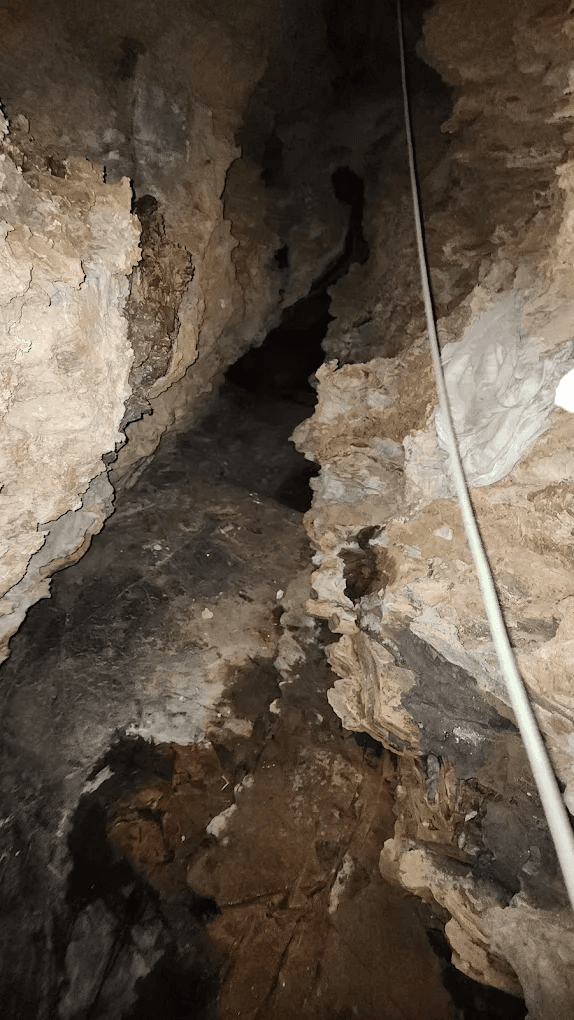
- Multiple chambers and narrow passageways
- Airflow indicating deeper internal systems
Estimated / Under Study
- Depth exceeding ~160 meters (not fully verified)
- Possible deeper unexplored sections
- Incomplete mapping of internal structure
Is this the Deepest Cave in Nepal ?
Early exploration suggests that Patal Bhuvaneshwar Cave may be deeper than Siddha Cave (~65 meters), which is often cited as Nepal's deepest cave.
However
- The full depth of this cave is not yet confirmed
- Existing data is based on limited exploration
- Further scientific study is required
The true depth remains an open research question.
Why this Cave Matters
Exploration Potential
The cave presents real exploration challenges:
- Vertical drops
- Narrow passages
- Complex internal routes
Scientific Value
Useful for:
- Cave mapping
- Geological research
- Subsurface studies
Cultural Context
Linked to local beliefs and traditional understanding of natural spaces.
Geological Significance
Formed through long-term limestone erosion and underground water processes.
Exploration Potential
The cave presents real exploration challenges:
- Vertical drops
- Narrow passages
- Complex internal routes
Scientific Value
Useful for:
- Cave mapping
- Geological research
- Subsurface studies
Cultural Context
Linked to local beliefs and traditional understanding of natural spaces.
Geological Significance
Formed through long-term limestone erosion and underground water processes.
Exploration & Discovery
The cave has long been known locally, but structured exploration remains limited.
A notable early exploration was conducted by Maurice Duchene, who explored approximately 800 meters before stopping due to safety constraints.
Real Exploration Experience
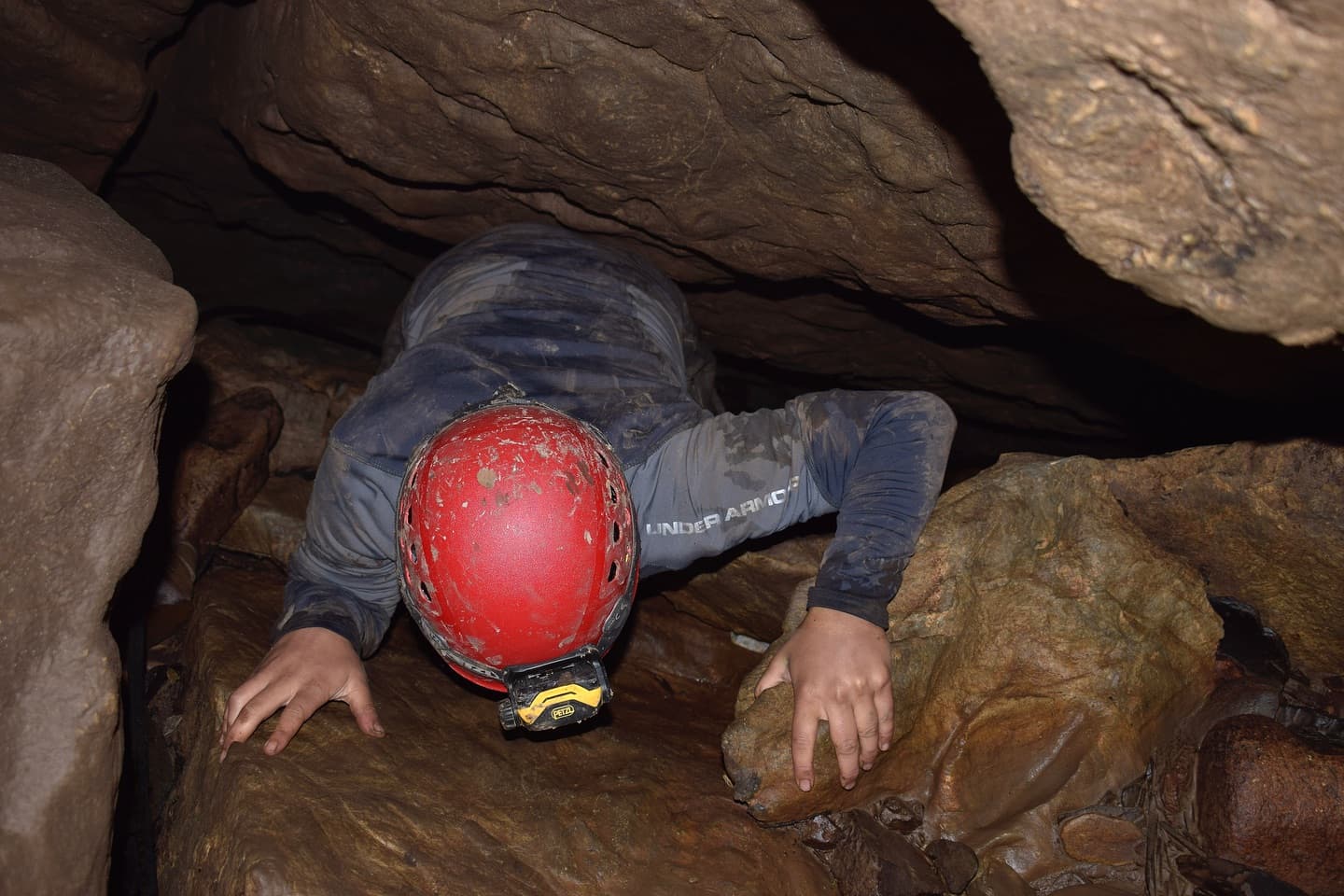
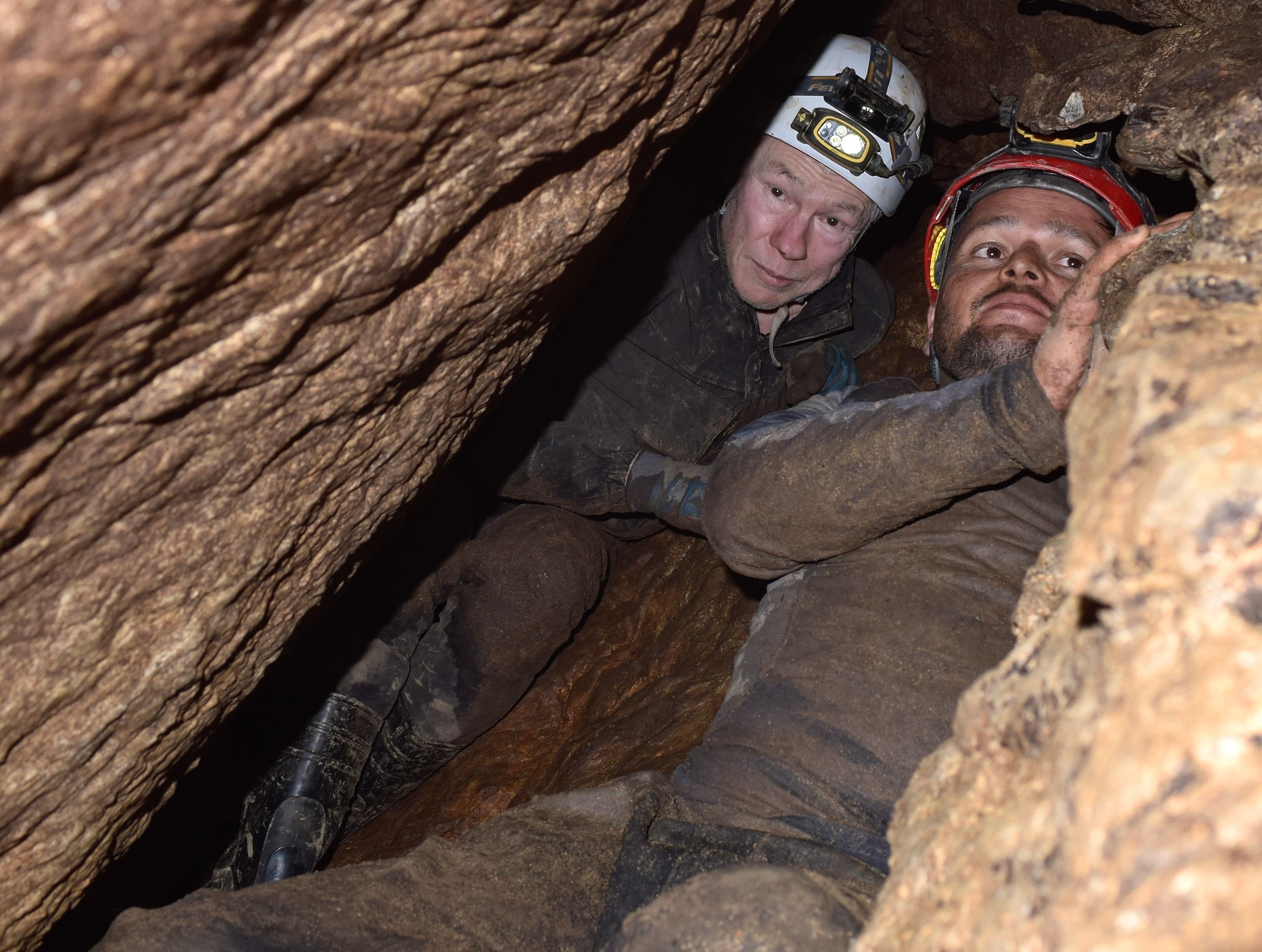
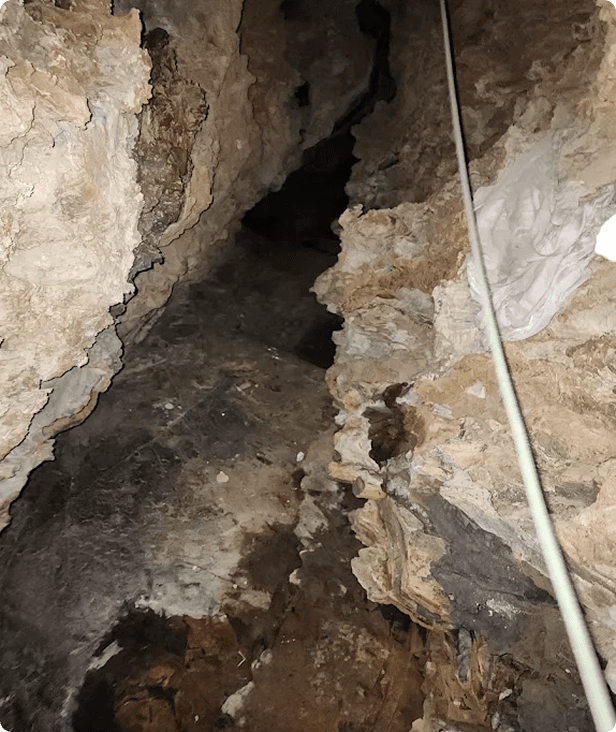
Exploration inside the cave is physically demanding and time-intensive.
- Tight crawling passages
- Rope-assisted descents
- Slippery terrain
- Exploration duration can extend 5–8 hours
This is a true exploration environment, not a walk-through experience.
How this Cave Differs from Other Cave
Unlike tourist caves in Nepal:
- No lighting or pathways
- No built infrastructure
- Requires technical exploration
- Largely unmapped interior
This is an exploration site, not a tourist attraction.
Location & Access Control
Getting To The Cave
However
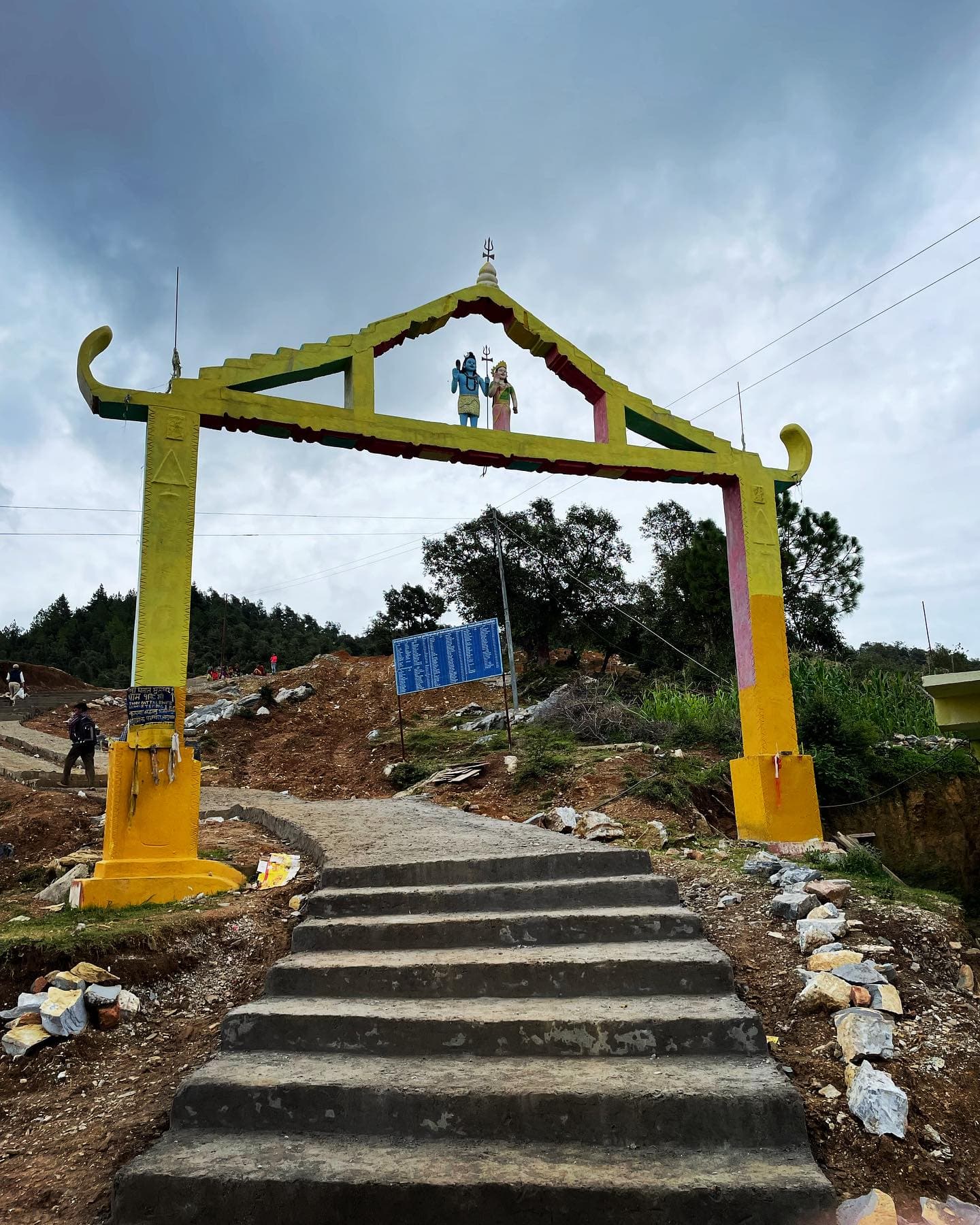
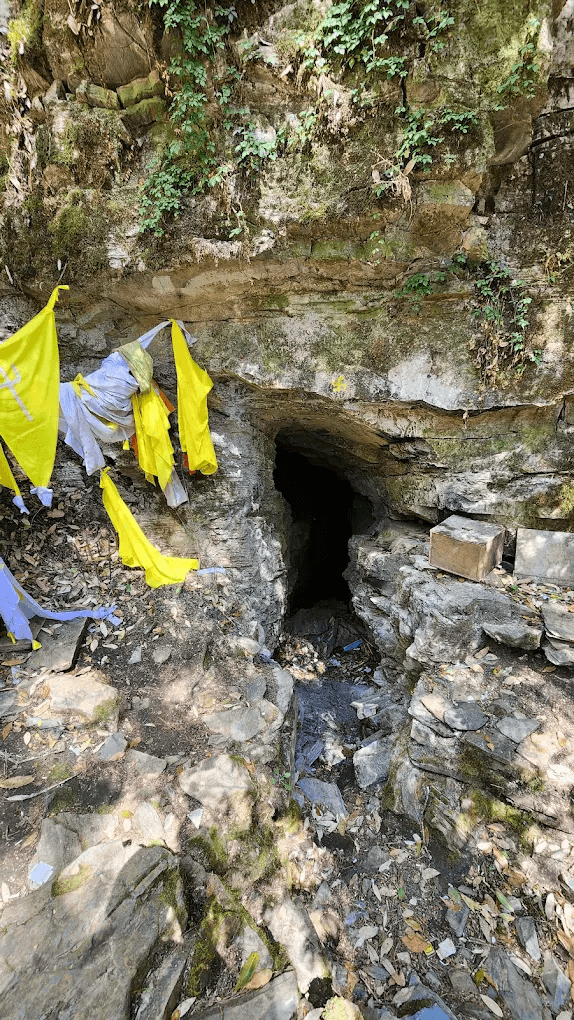
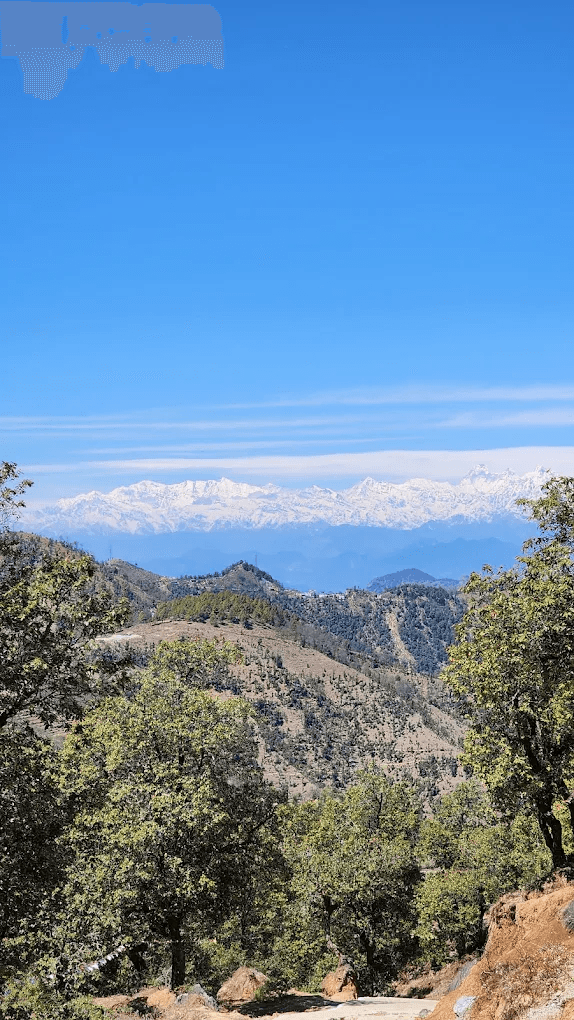
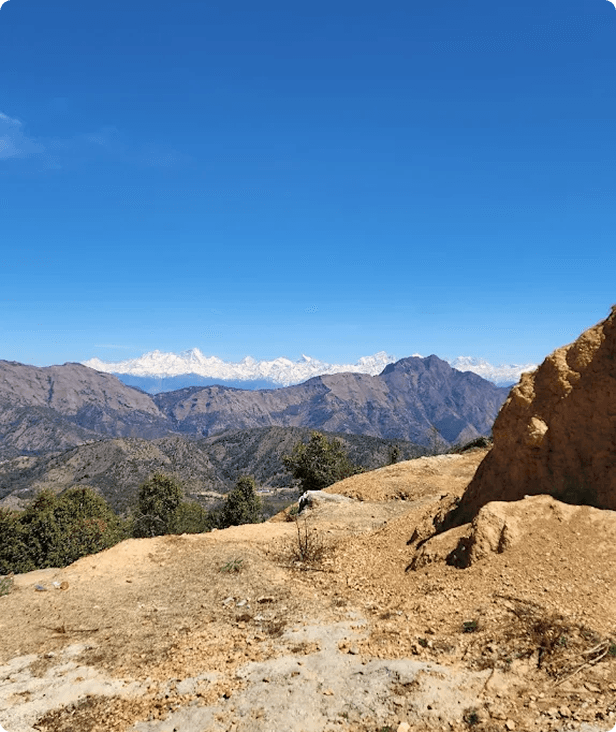
- Accessible via Mahakali Highway
- Short uphill forest walk (~110 meters ascent)
- Natural cave entrance
Travel requires planning due to remote terrain.

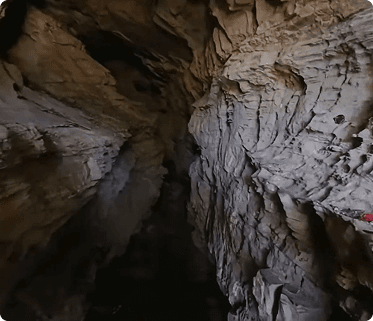
Not a Casual Tourist Cave
Key Risks
- Narrow confined sections
- Slippery surfaces
- Limited visibility
- No formal rescue infrastructure
SAFE CAVING BASICS
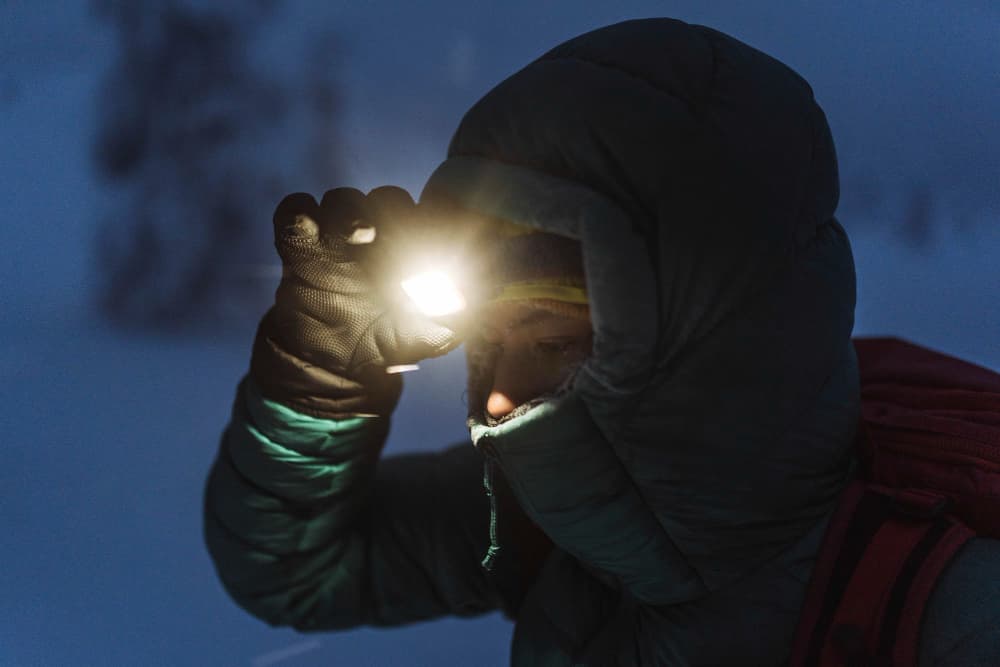
- Carry at least 2–3 headlamps
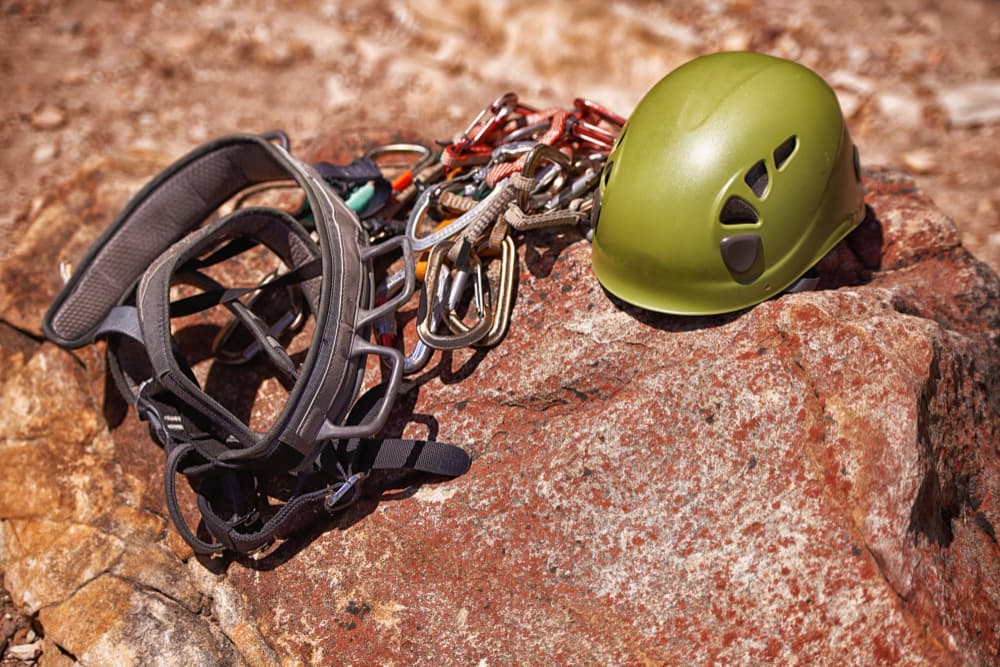
- Always wear a helmet
- Never explore alone
- Carry water and energy supplies
- Inform someone before entering
Inside the Cave Condition

Temperature around ~10°C

High humidity

Damp and slippery surfaces

Natural airflow inside
What Makes This Cave Unique
Who Should Visit
Suitable
- Experienced explorers
- Guided teams
- Researchers
Not Suitable
- Casual tourists
- Beginners
- Solo visitors
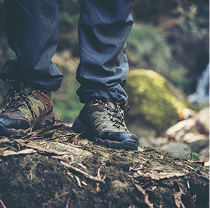
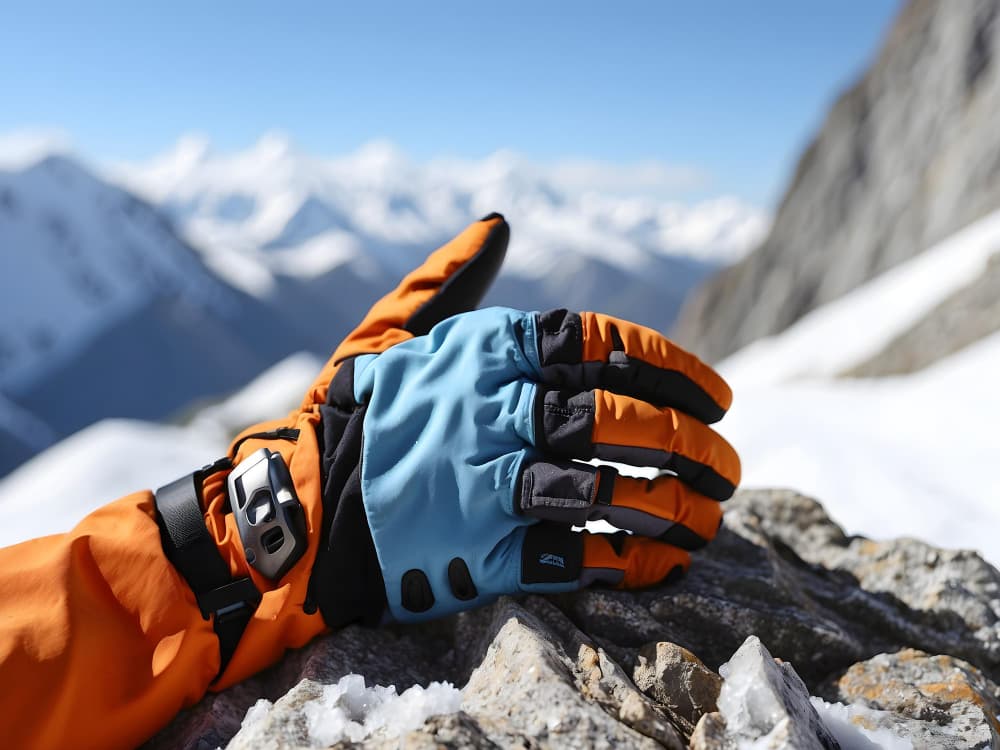
Essential Equipment
Patal Bhuvaneshwar Cave is an evolving exploration site with significant geological and scientific potential. Visitors should approach it with preparation, awareness, and respect for both its natural environment and local context.


Research & Collaboration
This Cave Offers Opportunities For:


Responsible Exploration

Frequently Asked Questions
Where is Patal Bhuvaneshwar Cave Nepal located?
Patal Bhuvaneshwar Cave is located in Baitadi District, Sudurpaschim Province, in far-western Nepal. The cave is part of a remote hill landscape and is connected with local cultural and natural significance.
What is Patal Bhuvaneshwar Cave known for?
Patal Bhuvaneshwar Cave is known for its limestone structure, narrow underground passages, reported deep sections, exploration interest, local cultural importance, and undeveloped natural condition.
Is Patal Bhuvaneshwar Cave fully explored?
No. The cave has not been fully explored or scientifically mapped. Early exploration reports describe significant passage length and depth, but the full internal system remains uncertain.
Is Patal Bhuvaneshwar Cave the deepest cave in Nepal?
Some reports suggest that Patal Bhuvaneshwar Cave may be among Nepal's deepest known cave systems. However, complete scientific mapping is still needed before making a confirmed claim.
Is Patal Bhuvaneshwar Cave open for tourists?
The cave should not be treated as a developed tourist cave. The surrounding area may be visited with local guidance, but deeper cave entry requires preparation, proper equipment, and serious safety awareness.
Can beginners enter Patal Bhuvaneshwar Cave?
Beginners should not attempt deeper sections of the cave. The cave includes narrow passages, slippery surfaces, darkness, and difficult movement. Any entry should be guided, cautious, and based on current local conditions.
Why is safety important at Patal Bhuvaneshwar Cave?
Safety is important because the cave is undeveloped and physically demanding. There may be no built lighting, no formal pathways, limited rescue support, and difficult underground sections.
What should I read next before visiting?
Before planning a visit, read the Visit & Access Guide and Safety & Preparation pages. These pages explain access conditions, visitor suitability, equipment, seasonal risks, and local guidance.


Final Note
Patal Bhuvaneshwar Cave is an evolving exploration site with significant geological and scientific potential. Visitors should approach it with preparation, awareness, and respect for both its natural environment and local context.